Bedding & sleep comfort
How to Choose a Mattress Topper for the Comfort You Want
A mattress topper can change the way your bed feels without replacing the mattress beneath it. The best choice starts with a simple question: what, exactly, would you like to feel differently?
Maybe your mattress feels a little too firm when you settle in at night. Perhaps you want a softer, more cushioned surface, or a fresher sleep setup that feels more comfortable through the changing seasons. A topper can make a meaningful difference at the surface of the bed—but it is not a magic fix for every sleep problem. If the mattress underneath is sagging, uneven, or no longer supportive, adding a new layer may only disguise the issue for a while.
For Hartford residents comparing bedding options, a useful mattress topper guide is less about chasing a trendy material and more about matching a product to your own priorities. Think about cushioning, temperature, thickness, fit, and care. Those details help distinguish a small comfort adjustment from a purchase that may not suit your bed or household.
Start with the feeling you want to change
Before comparing materials, notice what your current mattress is—and is not—doing for you. The most helpful question isn’t simply, “Which topper is best?” It’s, “What do I want to improve?” A clear answer can narrow the choices quickly.
- Too firm at the surface: You may want a softer, more cushioned layer that gently changes the initial feel of the bed.
- Not enough cushioning: A topper with more loft may add a plush sensation, though it will also change how deeply you settle into the sleep surface.
- A warmer-than-comfortable bed: Look closely at the materials and construction. Breathability and airflow can matter, but no material guarantees that every sleeper will feel cool.
- Wanting to protect the mattress: A mattress pad or protector may be a better match than a topper. These products can help guard against everyday wear or spills, but they serve a different purpose from a comfort layer.
It also helps to notice when discomfort happens. Do you feel pressure as soon as you lie down, or do you wake with the sense that the bed has become less comfortable over time? Does one part of the mattress feel different from another? Jotting down a few observations over several nights can make the problem easier to describe—and help you avoid shopping for a solution to the wrong thing.
Know what a topper can—and can’t—do
A mattress topper sits on top of your existing mattress to alter the feel of its surface. Depending on its construction, it can add cushioning, a softer first impression, or a different response when you move. It can be a practical way to adjust a bed that is basically sound but not quite comfortable enough for your preference.
There are limits, though. A topper generally cannot restore a mattress that has developed deep body impressions, repair damaged springs, or make a fundamentally unsupportive bed perform like new. Nor should it be treated as a medical solution for pain. Comfort is personal, and persistent or concerning pain is a matter to discuss with a qualified health professional rather than a reason to rely on bedding alone.
As a quick reality check, inspect the mattress before shopping. Look for visible dips, uneven edges, or a noticeable change in support. Consider its age and whether its condition differs from one side to another. If the foundation is worn out, adding a fresh layer may feel appealing at first but may not provide the lasting change you want.
Compare materials by feel, not by promises
Material names can sound like a shortcut to the right decision, but the experience depends on the full construction: the type of fill or foam, the cover, the way the layer is stitched, and how thick it is. If you can, try to evaluate the feel in person. If you are shopping online, read the specifications carefully and look for practical details rather than relying on broad claims.
Foam
Foam toppers are often chosen for cushioning and a more responsive or contouring feel, depending on the formulation. Some designs are made with breathability in mind. For instance, the Casper Mattress Topper is described as breathable foam with a soft-knit cover and is available in two thicknesses. That may be worth considering if you want to adjust surface comfort while keeping an eye on airflow. As with any topper, personal comfort can vary, so review the specific details and fit before deciding.
Natural and other fiber fills
Fiber-filled layers can offer a softer, loftier sensation, though the amount of cushioning depends on how much fill is used and how it is held in place. Wool is one example of a natural fiber used in bedding; its moisture-management and insulating qualities may appeal to sleepers interested in a natural material. Fiber construction, care requirements, and the way the product is secured to the mattress all deserve a close look.
Quilted pads and protectors
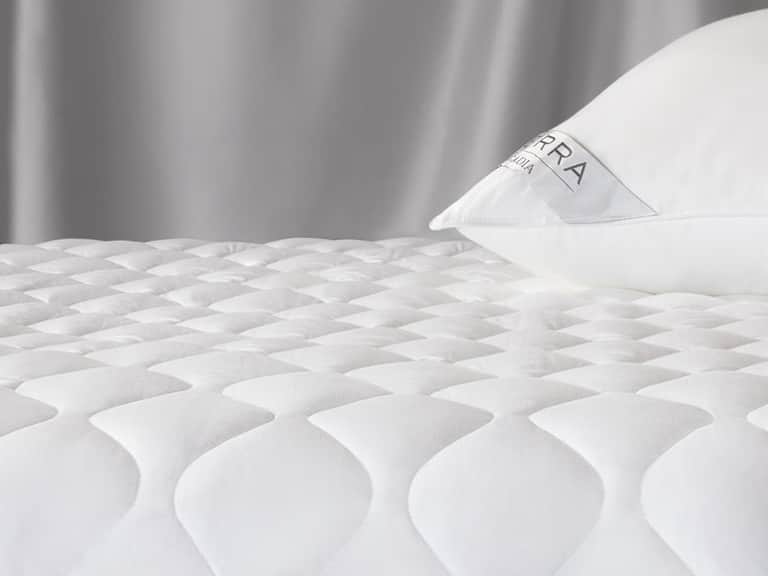
A quilted mattress pad can add a light layer of softness and help protect the mattress, while a waterproof style is designed to offer a barrier against moisture. A pad is often thinner than a topper and may be more focused on protection, surface feel, or both. Check the product description rather than assuming that every padded layer will provide the same degree of cushioning. If your priority is changing how a firm mattress feels, compare its construction and thickness with those of products specifically presented as toppers.
Thickness can change more than softness
It is tempting to assume that thicker means better. In practice, thickness is a matter of preference, fit, and the way your current bed feels. A thinner option may make a gentler adjustment; a thicker one may create a more noticeable change in cushioning. But a higher profile can also make it harder to keep sheets in place, alter the height of the bed, or change how easily you move across the surface.
Think about how you sleep and what kind of sensation you enjoy. Some people prefer to feel more supported near the surface, while others enjoy settling into a softer layer. If you share a bed, remember that the change affects both sleepers. A comfort choice that feels wonderful to one person may feel too soft—or not soft enough—to the other.
When comparing premium mattress toppers, read the thickness information alongside the material description. Ask whether the product is offered in more than one depth, what each option is designed to change, and whether the stated measurement refers to the topper’s overall loft. Product details are more useful than a headline that simply labels something “plush” or “supportive.”
Check the fit before it arrives
A topper that shifts, bunches, or leaves an exposed strip at the edge can turn an otherwise promising comfort upgrade into a nightly annoyance. Start by confirming the mattress size—Twin, Twin XL, Full, Queen, King, or California King—and measure the mattress if its size is uncertain. A mattress that is unusually deep, has a pillow-top, or uses a separate foundation may need extra attention.
Next, check how the topper stays in place. Some designs rely on the weight of the bedding, while others may use elasticized sides, corner bands, or another attachment method. Those details matter if you move around during sleep or make the bed frequently. Also consider your fitted sheet: adding height can make a previously secure sheet feel tight or cause its corners to slip off.
In a compact bedroom, even a small change in bed height may affect the room’s feel or the ease of getting in and out. Hartford homes vary widely in layout, and a topper that fits the mattress still needs to work with the bed frame, sheets, and everyday routine. A quick measurement before ordering can prevent an avoidable return or a mismatch.
Think about temperature and season
Temperature is one of those personal details that can make or break a bedding choice. A material’s breathability, the construction of its cover, the sheets you use, and the room itself all contribute to how the bed feels overnight. A topper described as breathable may support airflow, but it cannot control bedroom temperature or guarantee that every sleeper will feel cool.
Consider your broader bedding setup. Heavy blankets, flannel sheets, a warm room, and a thick layer can each influence the sleep surface. In a New England climate, bedroom conditions may shift through the year, so a layer that feels comfortable in one season might feel different in another. If you are a warm sleeper, look for clear material and construction information, and think about whether the topper can be paired with lighter sheets when the weather changes.
Care instructions are part of the decision
A topper may feel like the right choice in the store or in a product description, but the care routine matters once it becomes part of daily life. Some items can be machine washed; others may need spot cleaning or professional care. Check whether the entire topper is washable or only the cover, whether it needs a particular drying method, and whether the manufacturer advises against bleach or fabric softener.
Be especially careful with foam. Unless the care label says otherwise, do not assume the foam itself can go into a washing machine. Follow the manufacturer’s guidance for cleaning and drying, and allow any damp components to dry fully before putting the bed back together. A removable, washable cover can make upkeep easier, but the presence of a cover does not automatically mean the core is washable.
If you have children, pets, allergies, or frequent spills to plan for, consider whether you need a topper, a mattress pad, or a separate protector. A waterproof pad can be useful for moisture protection, but a protective layer and a comfort layer are not interchangeable. In some households, the most practical setup is a comfort-focused topper beneath a suitable protector—provided both are compatible with the mattress and with each other.
A practical comparison checklist
When the options start to blur together, bring the decision back to the essentials. Save product descriptions or write down the answers so that you can compare like with like.
- Goal: What do you want to change—firmness at the surface, cushioning, temperature, or protection?
- Condition: Is the mattress still even and supportive enough to be a good foundation?
- Material: What is the fill or foam made of, and what is the cover made of?
- Thickness: How substantial a change do you want, and how might extra height affect sheets and bed access?
- Fit: Does the product match the mattress size and depth, and how does it stay in place?
- Care: What can be washed, how should it be dried, and are there restrictions?
- Household needs: Are you planning for shared preferences, pets, children, or spill protection?
Give your choice a sensible trial
Once the topper is on the bed, give yourself a little time to assess it in your normal routine. Notice whether the surface feels more comfortable, whether you remain at ease through the night, and whether the layer stays in position. If you share the bed, check in with the other sleeper too. A topper is a comfort adjustment, and the real test is how the bed feels over ordinary nights—not just the first few minutes after it is unboxed.
Keep an eye on practical details during that period. Does the fitted sheet still fit? Is the bed now too high? Does the topper feel warmer than expected? If something seems off, review the care and setup instructions and confirm that the layer is oriented and fitted correctly. Use the retailer’s stated return or trial terms as a guide, and keep packaging or receipts when appropriate.
A better bed begins with a clearer question
Choosing a mattress topper does not have to mean decoding every bedding trend. Begin with the comfort change you want, make sure the mattress underneath is still in reasonable condition, and compare materials, thickness, fit, and care with your household in mind. A thoughtfully chosen layer can make a bed feel more inviting; a mismatched one can add bulk without solving the problem.
For a Hartford mattress guide that puts comfort first, the most useful rule is simple: choose for your actual sleep preferences, not for a promise that sounds universal. Take measurements, read the fine print, and distinguish a topper from a protective mattress pad. With those basics in hand, you can make a more informed bedding choice—and bring a little more comfort to the place where every day winds down.